
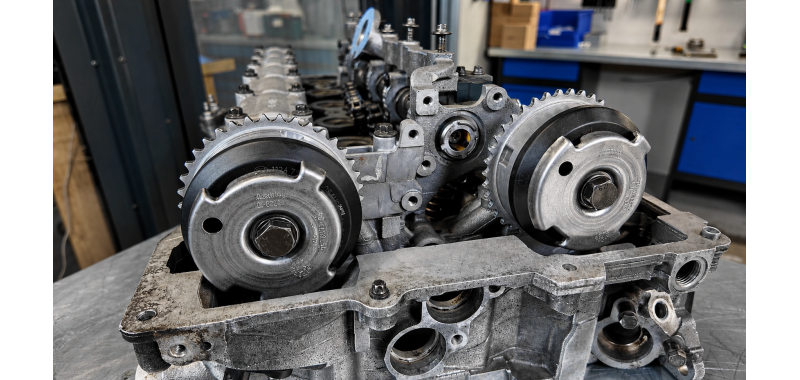
BMW N52, N55 and S55 VANOS Cam Phasers – Aluminum Sprocket and Bolt Problems
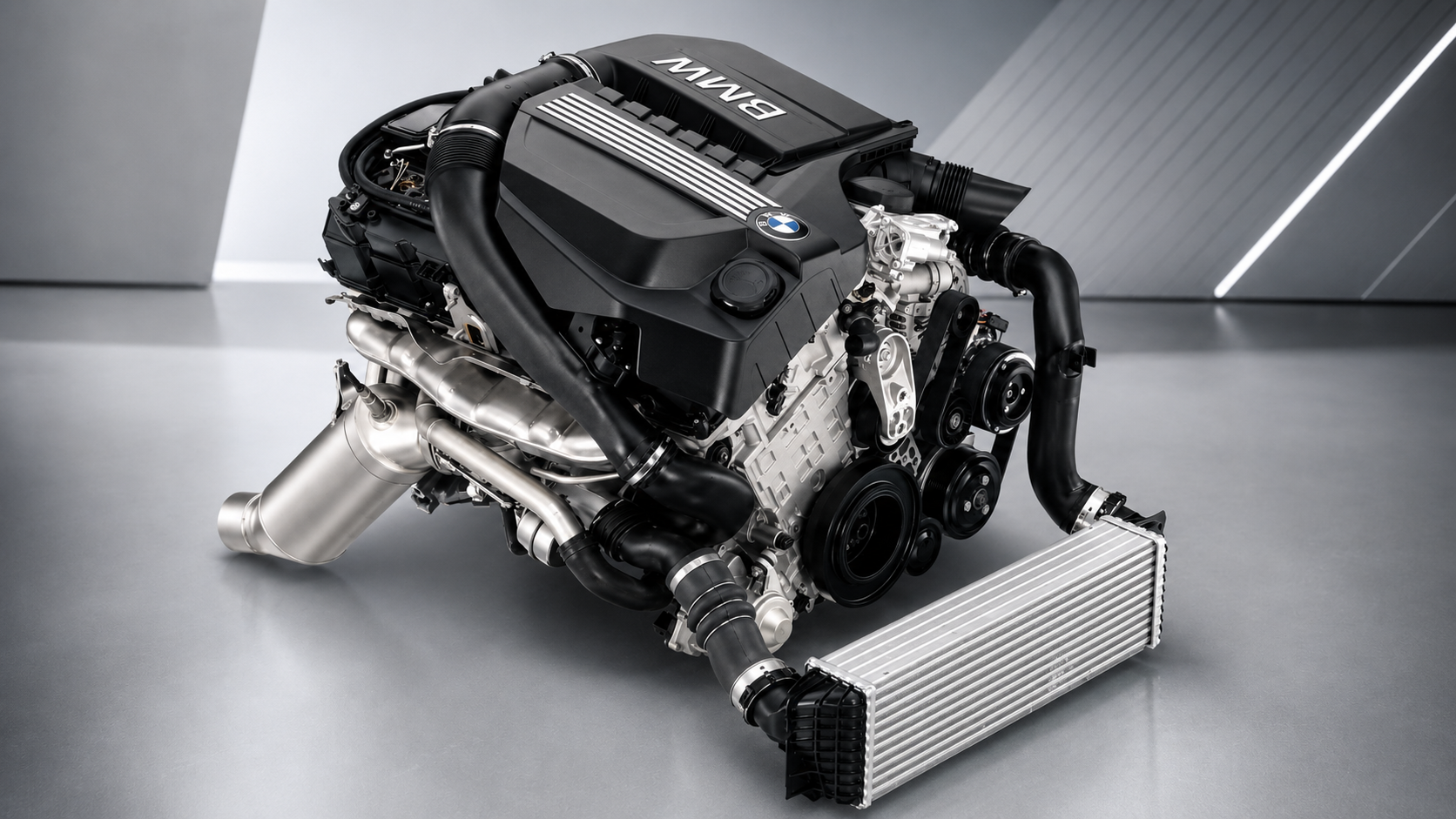
BMW N52, N55 and S55 are very different engines, but they use the same timing system architecture, including the same VANOS cam phasers.
This means that components used in the popular naturally aspirated N52 can also be found in the much more powerful N55 and S55 engines fitted to cars such as the BMW M2, M3 and M4.
Unfortunately, they also share the same weak points.
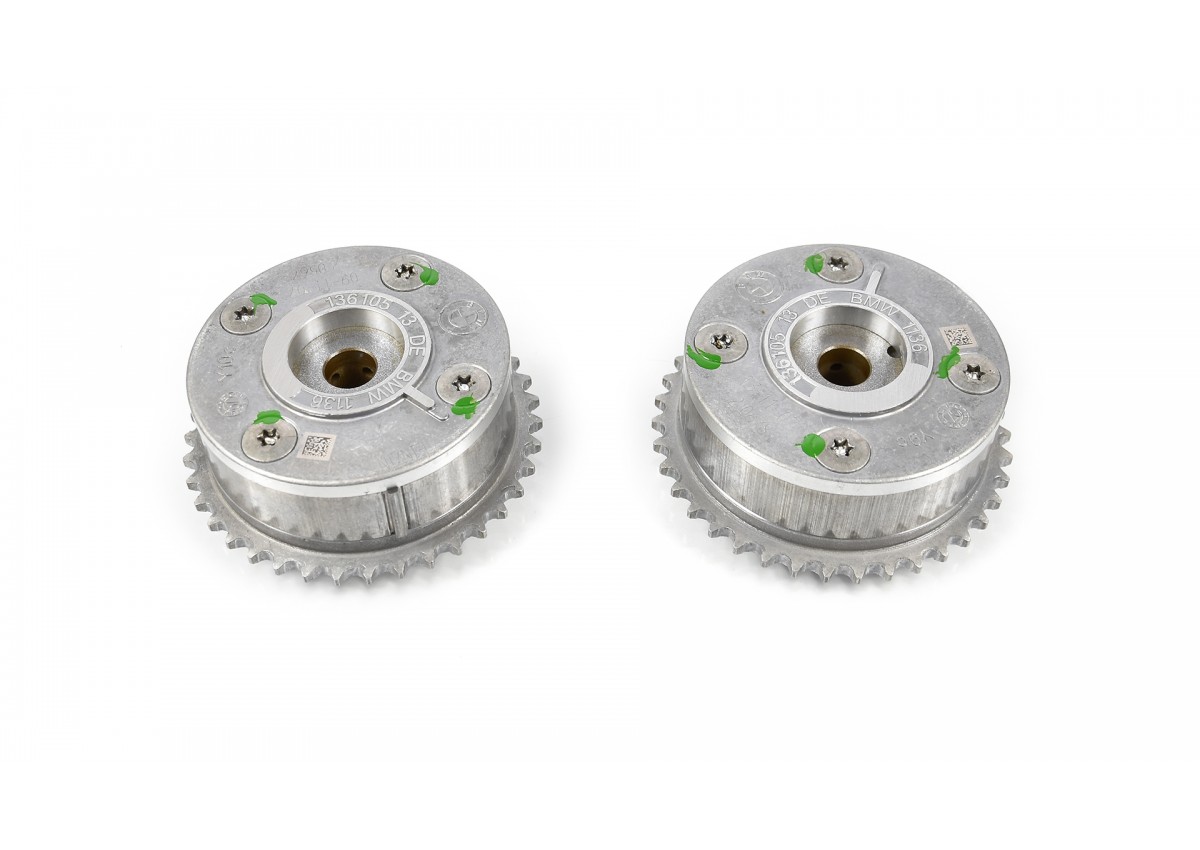
BMW used an aluminum timing sprocket that runs directly against the timing chain. We measured the tooth hardness of the original sprockets at approximately 140 HB.
There are also aluminum bolts holding the VANOS unit together. In the later design, these bolts can loosen and even shear off.
The issue became serious enough for BMW to launch the official 14V-176 recall campaign.
We also explain the complete problem and the design differences in our video:
MEHENKER video: BMW N52, N55 and S55 VANOS cam phasers – OEM design problems and the MEHENKER solution.
How does VANOS work in the BMW N52, N55 and S55?
VANOS is BMW's variable camshaft timing system. In these engines, both the intake and exhaust camshafts are adjustable, which is why the system is known as Double VANOS.
At idle, the cam phasers generally remain in their base positions. As engine load and RPM change, the ECU adjusts the camshaft positions accordingly.
The intake cam phaser provides approximately 35° of camshaft adjustment, while the exhaust cam phaser provides approximately 27.5°.
Variable cam timing improves the torque curve, engine flexibility, fuel consumption and emissions.
The VANOS unit itself is a precision hydraulic mechanism.
Engine oil is directed by the VANOS solenoid into the appropriate chambers, rotating the internal rotor relative to the outer section driven by the timing chain.
Correct operation therefore depends on:
-
correct oil pressure and flow,
-
internal sealing of the cam phaser,
-
properly functioning camshaft sealing rings,
-
properly functioning VANOS solenoids,
-
and the mechanical condition of the cam phaser itself.
Early VANOS cam phasers – poor casting quality
The early version of these VANOS units has several very clear design weaknesses.
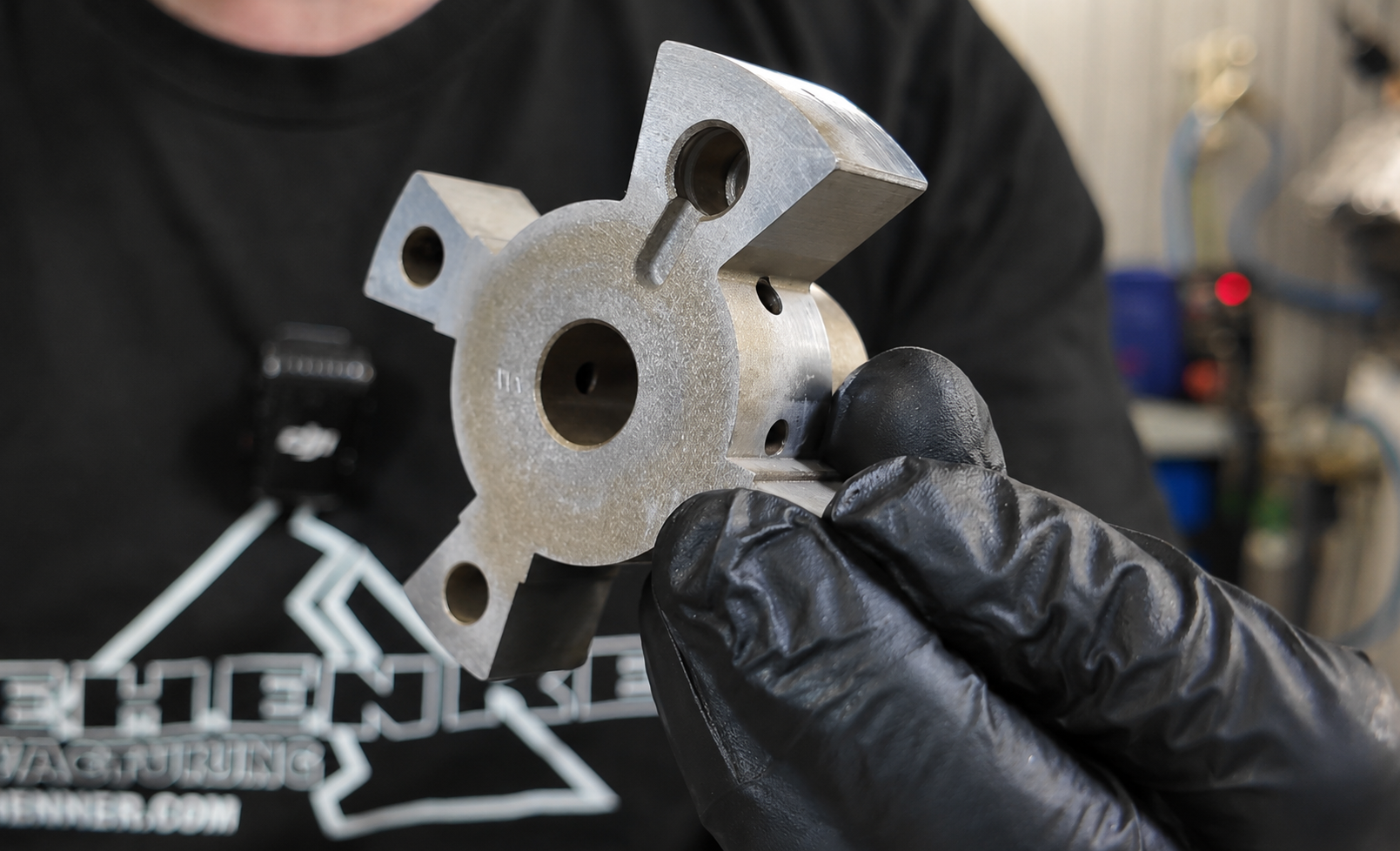
One of the biggest problems with the early cam phasers is the quality of the cast components.
After disassembling a used VANOS unit, we often find severe wear on the front and rear mating surfaces.
The rotor can look even worse. The casting is often extremely porous and, in severe cases, we also find cracked rotors.
This is not merely a cosmetic issue.
Inside a VANOS unit, the individual oil chambers must remain properly separated. As the sealing surfaces wear, internal oil leakage increases.
The cam phaser then requires progressively more oil flow to perform the same amount of work.
As a result, it may:
-
respond too slowly,
-
fail to reach the commanded position,
-
develop a discrepancy between requested and actual camshaft position,
-
trigger VANOS or camshaft timing faults.
Later design – improved, but still using an aluminum sprocket
Around 2009, BMW introduced a revised version of the cam phaser.
It can easily be identified by the characteristic spring on the front of the unit, covered by a plastic cap.
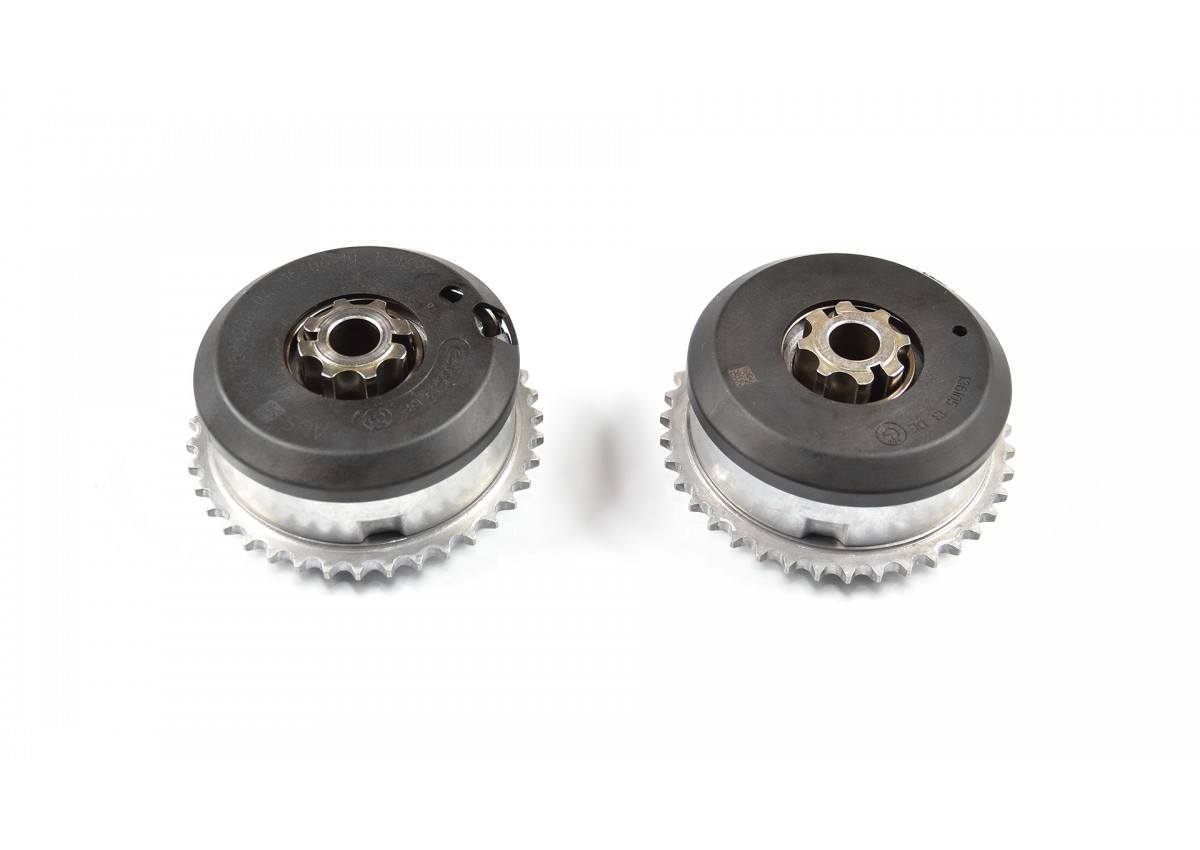
Overall manufacturing quality improved.
However, one fundamental weakness remained.
The timing sprocket was still made from aluminum.
This sprocket transfers the load between the timing chain and the camshaft.
We measured the hardness of the original sprocket teeth.
Result: approximately 140 HB.
For a timing sprocket running directly against a chain throughout the service life of an engine, this is not an impressive value.
Over time, the tooth surfaces wear. We see surface deterioration, localized damage and flaking of the aluminum.
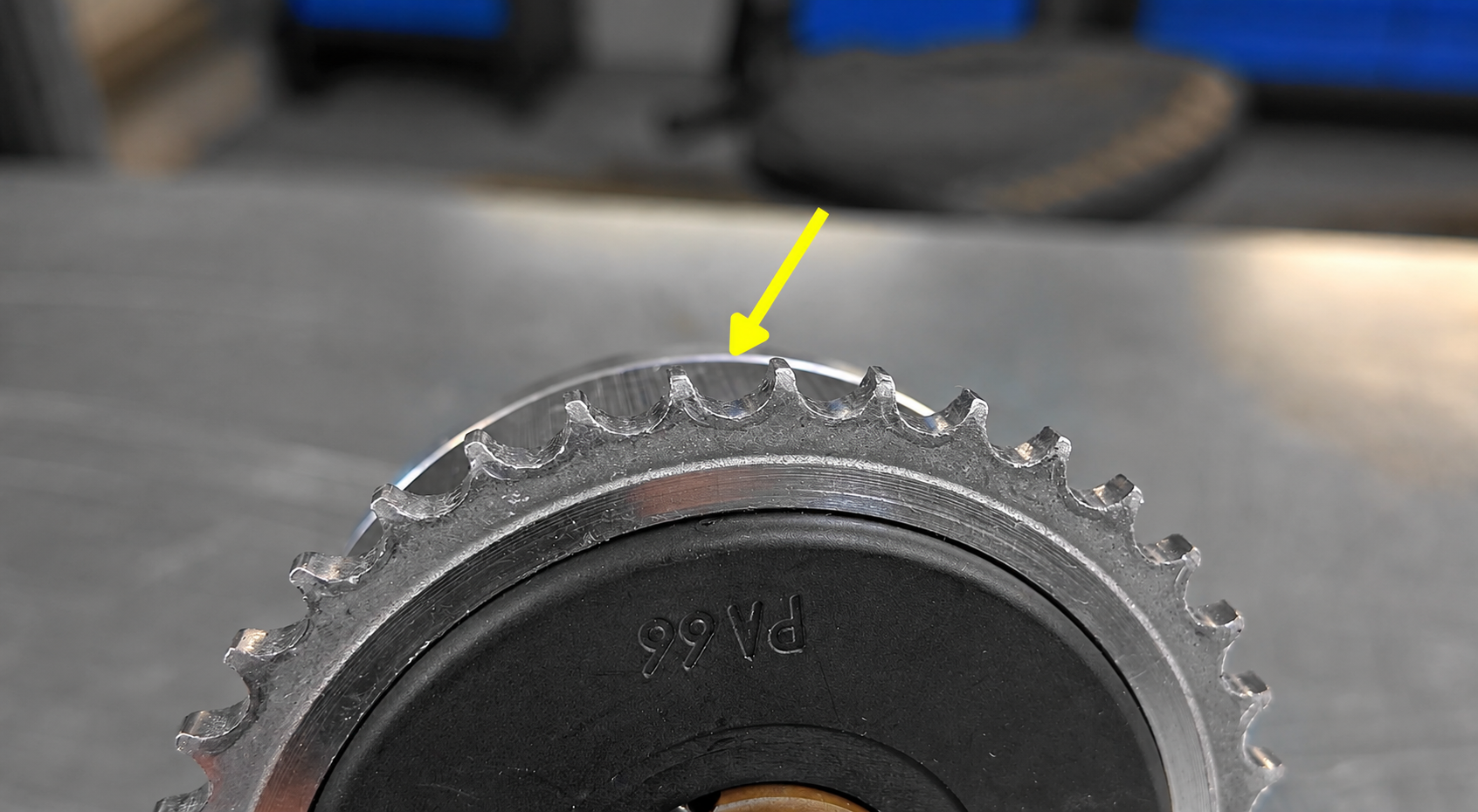
Metal flakes in the oil filter do not always mean bearing damage
Finding metallic debris in the oil filter always requires further investigation.
On BMW engines, rod or main bearings are often the first suspected source.
However, on the N52, N55 and S55, the aluminum VANOS sprockets must not be overlooked.
The timing chain runs directly on the aluminum teeth. When the tooth surfaces begin to wear and flake, that material ends up in the engine oil.
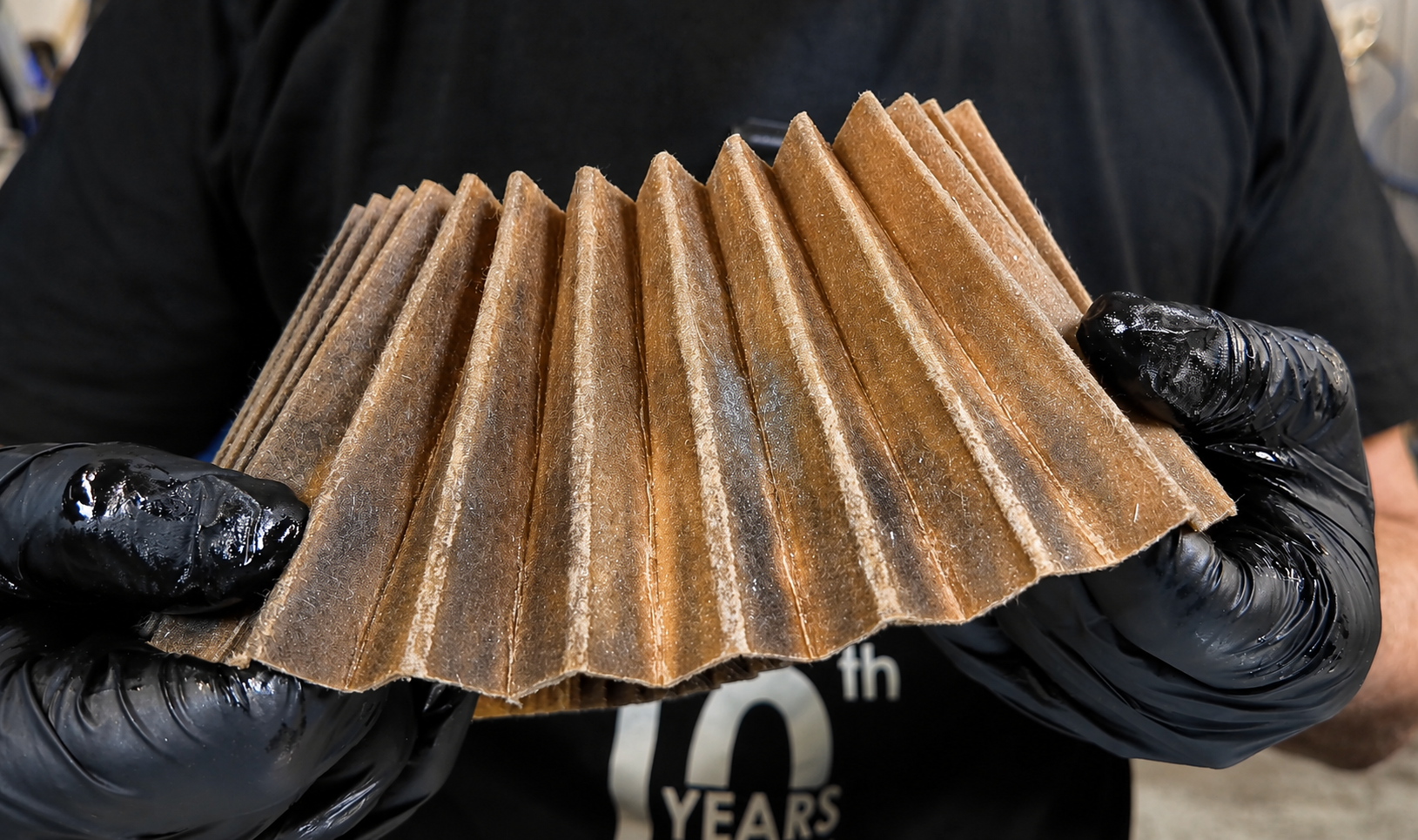
The oil then carries this debris through the lubrication system.
Metal particles can reach:
-
engine bearings,
-
the oil pump,
-
oil galleries,
-
VANOS solenoids,
-
the VANOS cam phasers,
-
and the turbochargers on N55 and S55 engines.
Therefore, if metallic debris is found during an oil change, inspection of the VANOS sprocket teeth should be one of the first diagnostic steps.
Aluminum VANOS bolts – a problem confirmed by BMW
The sprocket is not the only weak point of this design.
The later cam phaser also uses aluminum bolts to hold the assembly together.
Importantly, these later bolts are not tapered.
Over time they can loosen and eventually shear off while the engine is running.
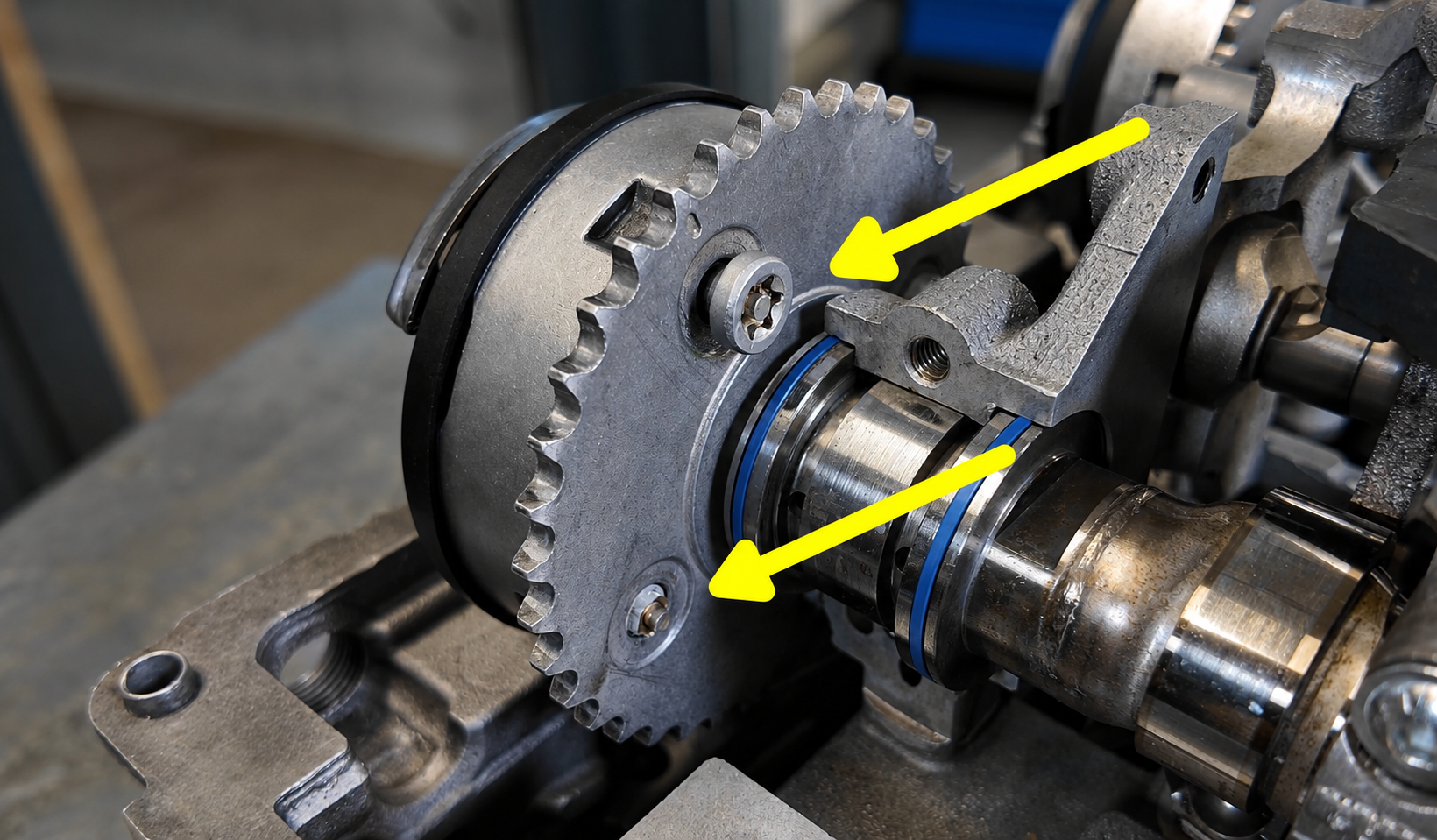
This is a serious failure.
Once the cam phaser starts coming apart, internal oil leakage increases dramatically and proper camshaft control is lost.
If a bolt shears, fragments can also end up inside the engine.
This is not just an internet theory or a problem discussed on enthusiast forums.
BMW officially confirmed the issue and launched a recall campaign.
BMW Recall Campaign 14V-176
In 2014, BMW carried out the following U.S. recall:
Recall Campaign 14V-176
The technical documentation includes, among others:
RCRIT-14V176-2716
RCRIT-14V176-8370
The recall covered specific vehicles equipped with N51, N52K and N52T engines.
This does not mean that every N52, N55 or S55 was covered by this specific recall. However, BMW's documentation provides clear confirmation of the bolt problem associated with this VANOS design.
BMW specified a precise repair procedure.
If all bolts were still tight and intact, they had to be replaced individually.
More than one bolt was not to be removed at the same time, as this could compromise the alignment and sealing of the VANOS unit.
The replacement bolts were tightened to:
6 Nm + 60°
However, if even one bolt was found loose or broken, BMW required replacement of the complete affected VANOS adjustment unit.
If a bolt head had sheared off, the missing fragments also had to be located and removed from the engine.
This clearly demonstrates the seriousness of the issue.
BMW did not treat a loose VANOS bolt as a minor problem that could simply be tightened again.
Pre-LCI and LCI VANOS units are interchangeable
There is another important point to understand when repairing these engines.
The earlier and later VANOS cam phasers can be used interchangeably.
However, the correct camshaft trigger wheel must be transferred.
The early version has a characteristic long locating tab.
The later version is almost completely flat.
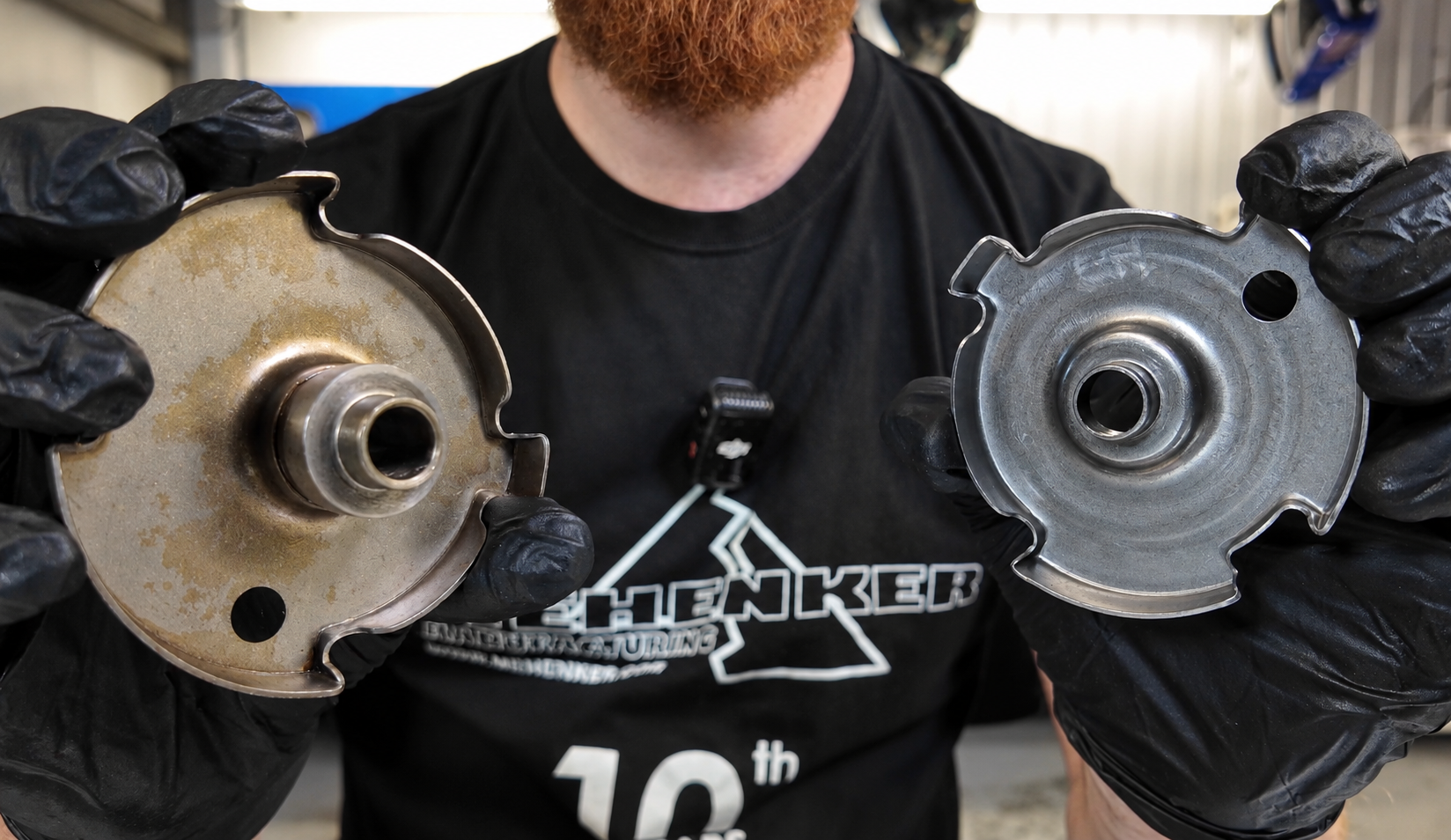
The cam phaser itself is therefore interchangeable, but it must be used with the correct trigger wheel, which the engine management system uses to determine camshaft position.
Two VANOS oil filters in the BMW N52 cylinder head
The N52 also has another component that is frequently overlooked during diagnosis.
There are two small VANOS oil filters screwed into the cylinder head near the timing chain tensioner.
Almost nobody replaces them.
After years of operation, they can become heavily contaminated and restrict oil flow.
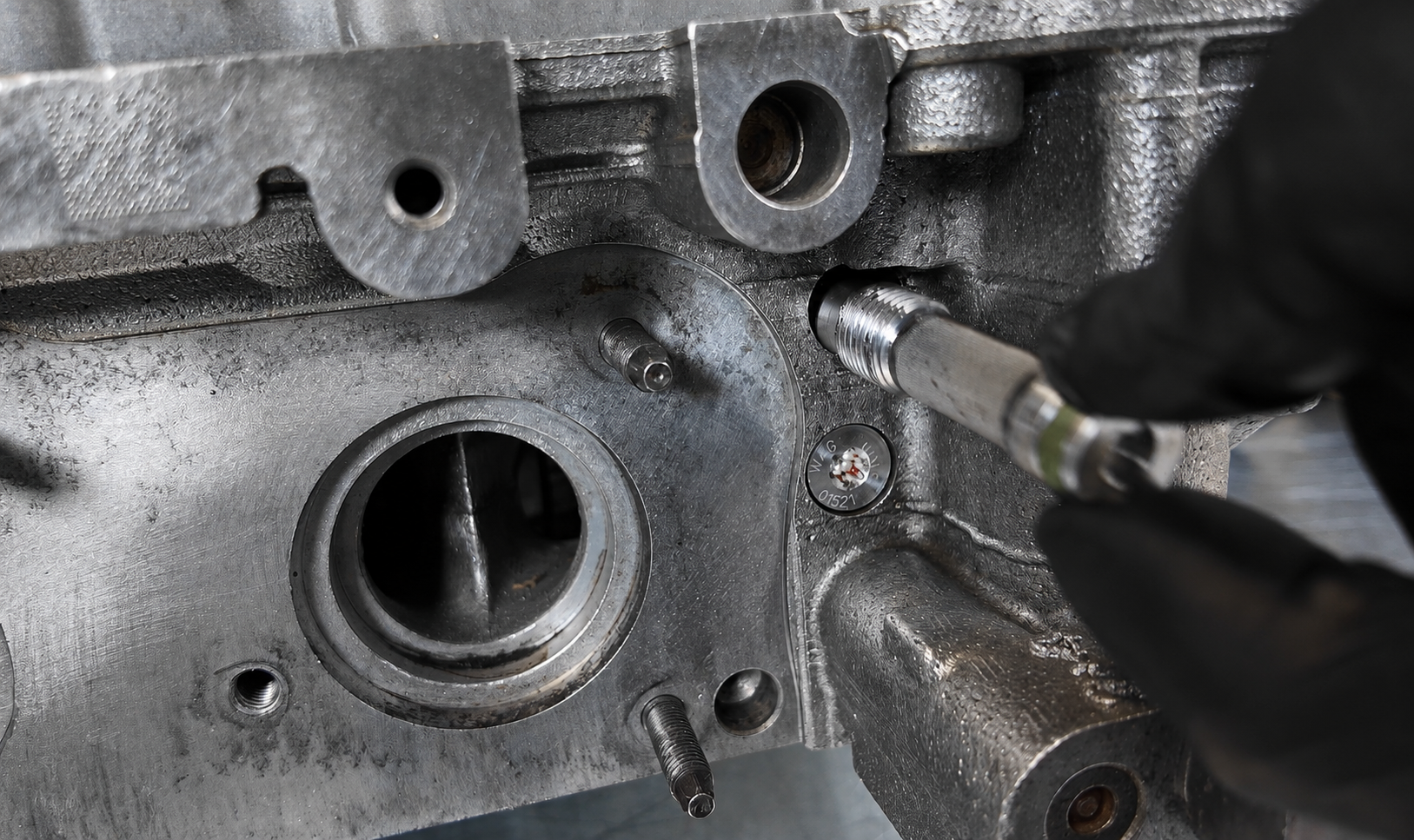
If a filter restricts flow, the VANOS unit does not receive enough oil.
As a result, a mechanically healthy cam phaser may:
-
respond too slowly,
-
fail to reach the commanded position,
-
trigger VANOS timing faults.
For this reason, checking the VANOS filters should be a standard part of N52 diagnosis.
On higher-mileage engines, it makes sense to simply replace them.
Our first solution was rebuilding the original VANOS units
We have been dealing with these cam phasers for many years.
Initially, MEHENKER rebuilt the original OEM units.
One of the key steps was replacing the factory aluminum bolts with larger steel bolts.
This solved the problem of the VANOS unit coming apart during operation.
However, the second major weakness remained:
the aluminum timing sprocket.
At that point, we decided that continuing to modify the original component no longer made sense.
We needed to design our own cam phaser.
What about FEBI, VAICO, HEPU or Kolbenschmidt VANOS replacements?
There are, of course, many aftermarket VANOS units available.
Replacement cam phasers are sold under brands such as HEPU, Kolbenschmidt, FEBI and VAICO.
The key point is that these are primarily replacement versions of the original BMW design.
They follow the same basic design concept used by the vehicle manufacturer.
The brand, packaging and price may change, but the fundamental weaknesses of the original concept are not eliminated.
And this is exactly where the main difference lies.
MEHENKER is not another copy of the OEM VANOS cam phaser.
We know the weaknesses of the original component, so reproducing them made no sense to us.
Instead, we redesigned the parts that determine durability:
-
the aluminum sprocket was replaced by a hardened steel sprocket,
-
the aluminum bolts were replaced by high-strength tapered steel bolts,
-
key components are manufactured using precision CNC machining,
-
every finished cam phaser is tested using hot engine oil.
A conventional aftermarket part replaces the OEM component.
MEHENKER eliminates the weak points of the OEM design.
MEHENKER VANOS cam phasers – hardened steel instead of aluminum
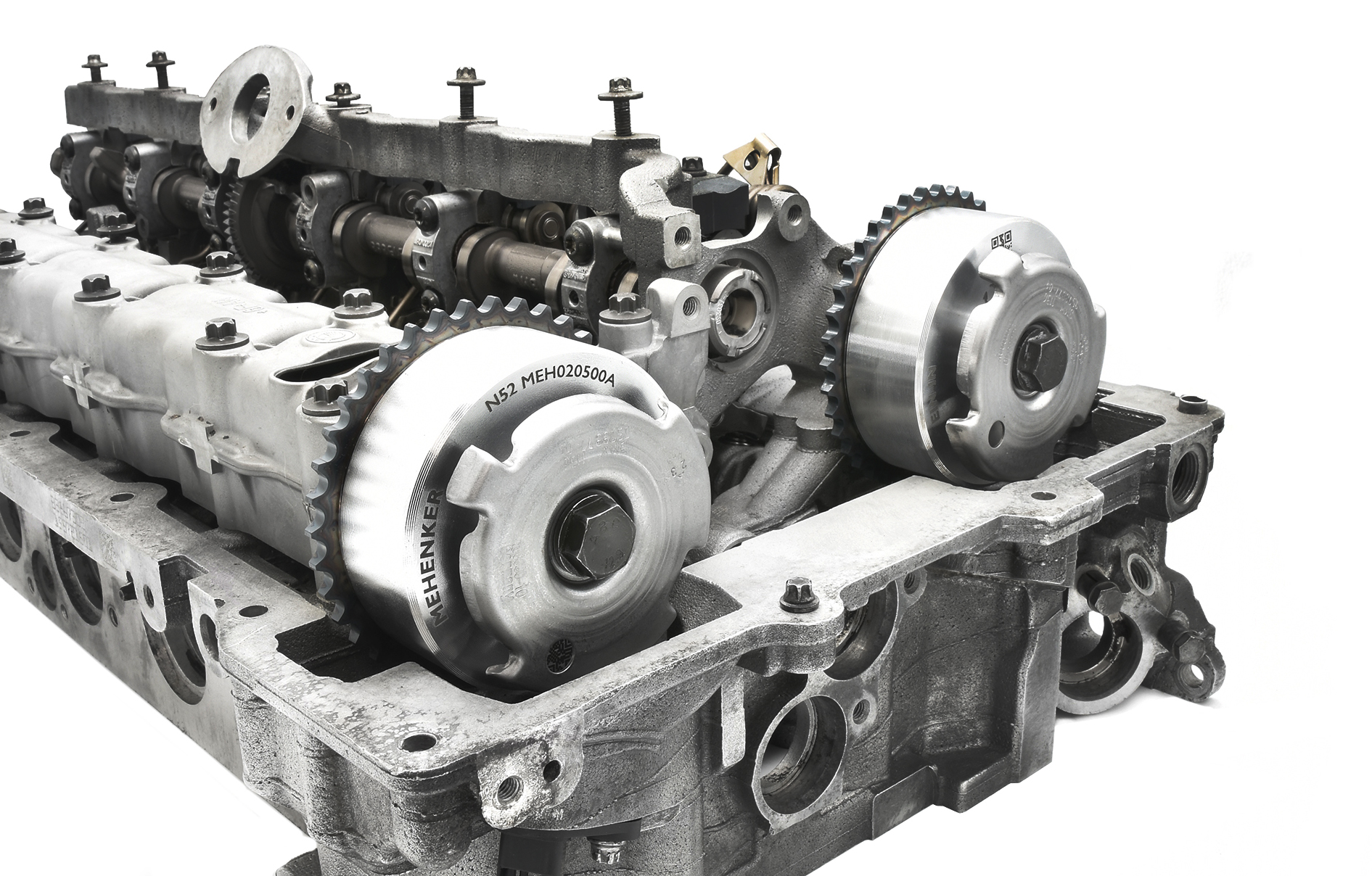
The most important change in our design is the timing sprocket.
The OEM part uses aluminum.
We use a hardened steel timing sprocket.
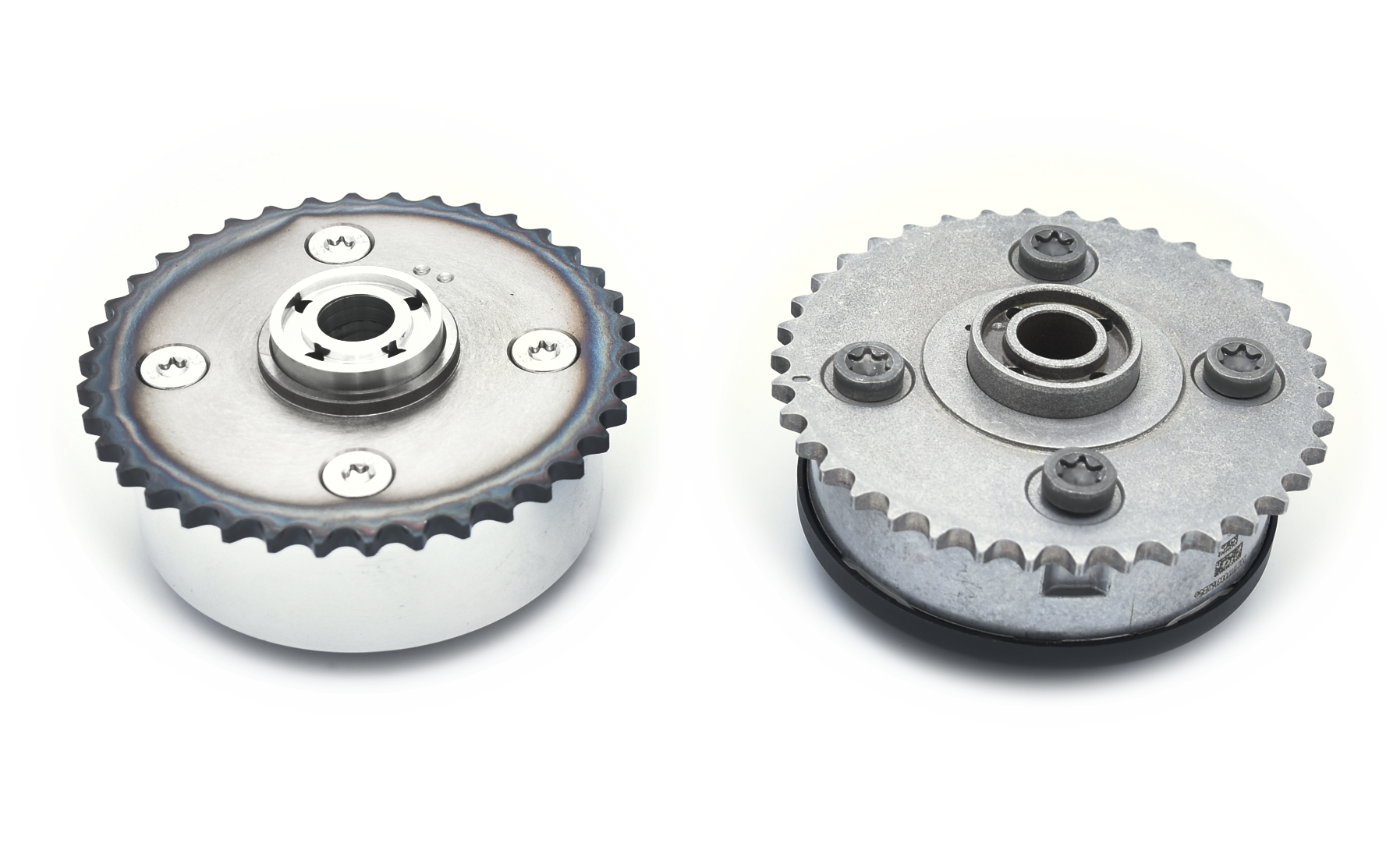
This gives the tooth surface significantly greater resistance to wear when running against the timing chain.
We did not want to make a part that was merely as good as the original.
We wanted to eliminate the aluminum sprocket problem completely.
High-strength tapered steel bolts
The second fundamental change is the fasteners.
MEHENKER uses tapered steel bolts.
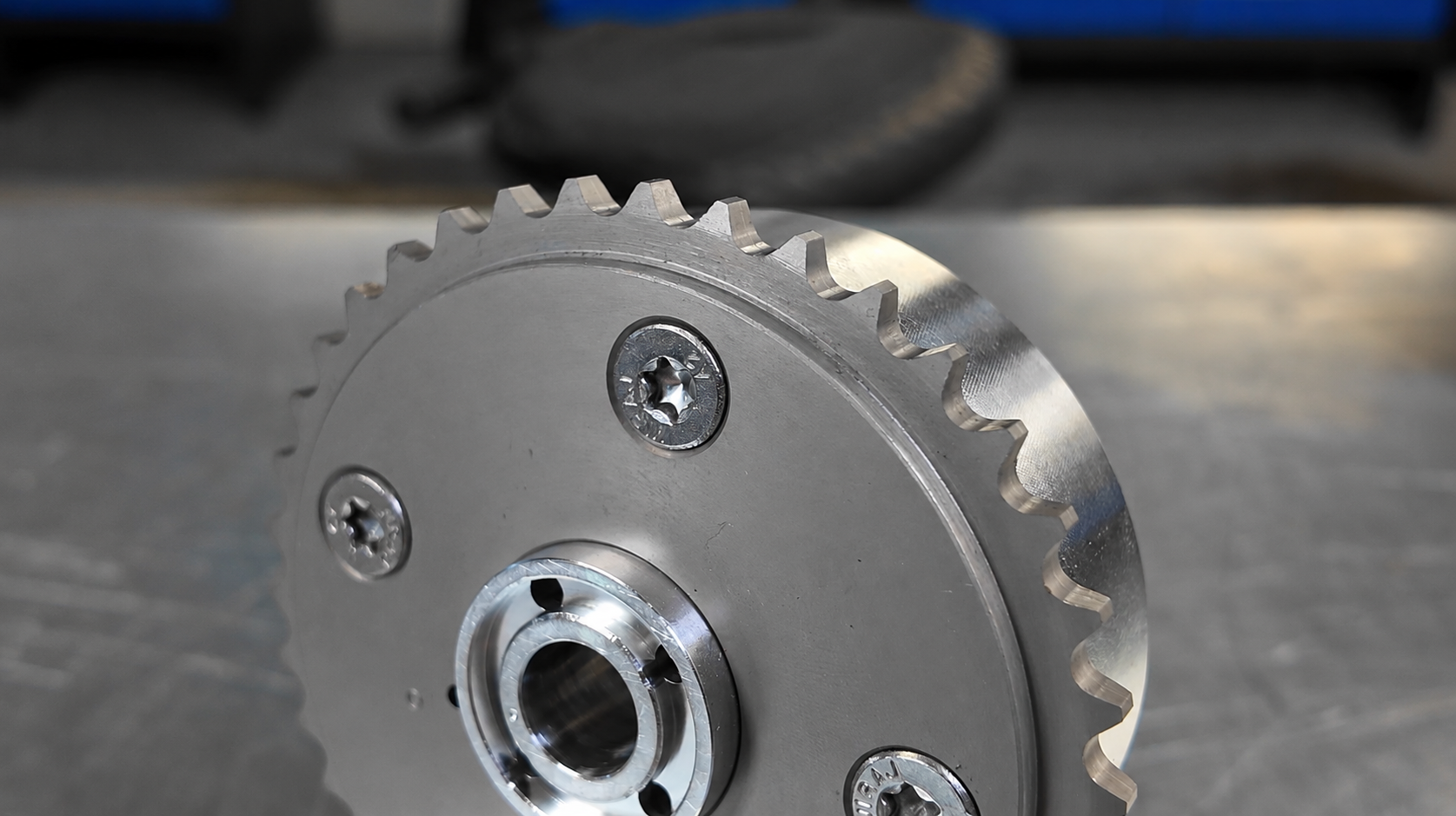
The taper does more than simply clamp the components together.
It also locates them precisely relative to each other and creates a much more secure joint.
This is why we did not reproduce the original arrangement based on straight aluminum bolts.
BMW VANOS OEM part numbers
The MEHENKER set replaces, among others, the following BMW OEM part numbers.
Intake VANOS cam phaser:
-
11367583207
-
11367522288
-
11317545959
-
7583207
-
7522288
-
7545959
Exhaust VANOS cam phaser:
-
11367583208
-
11367522290
-
7583208
-
7522290
Applications include the following engine families:
-
N51
-
N52
-
N55
-
S55
MEHENKER BMW N51 / N52 / N55 / S55 VANOS cam phaser set:
https://mehenker.com/en/bmw/409-camshaft-adjusters-vanos-bmw-n51-n52-n55-s55-set-5903796606867.html
When replacing VANOS units, do not forget the camshaft sealing rings
Even the best cam phaser cannot operate correctly if the control oil cannot reach it without excessive leakage.
The oil passages are sealed by rings installed on the camshafts.
The original BMW rings are made from PTFE.
As they wear, internal oil leakage increases.
As a result, even a new and perfectly functional VANOS unit may respond too slowly or generate timing faults.
This is why we also developed our own sealing rings.
They are made from a special blue self-lubricating composite designed specifically for sliding operation in an oil-lubricated system.
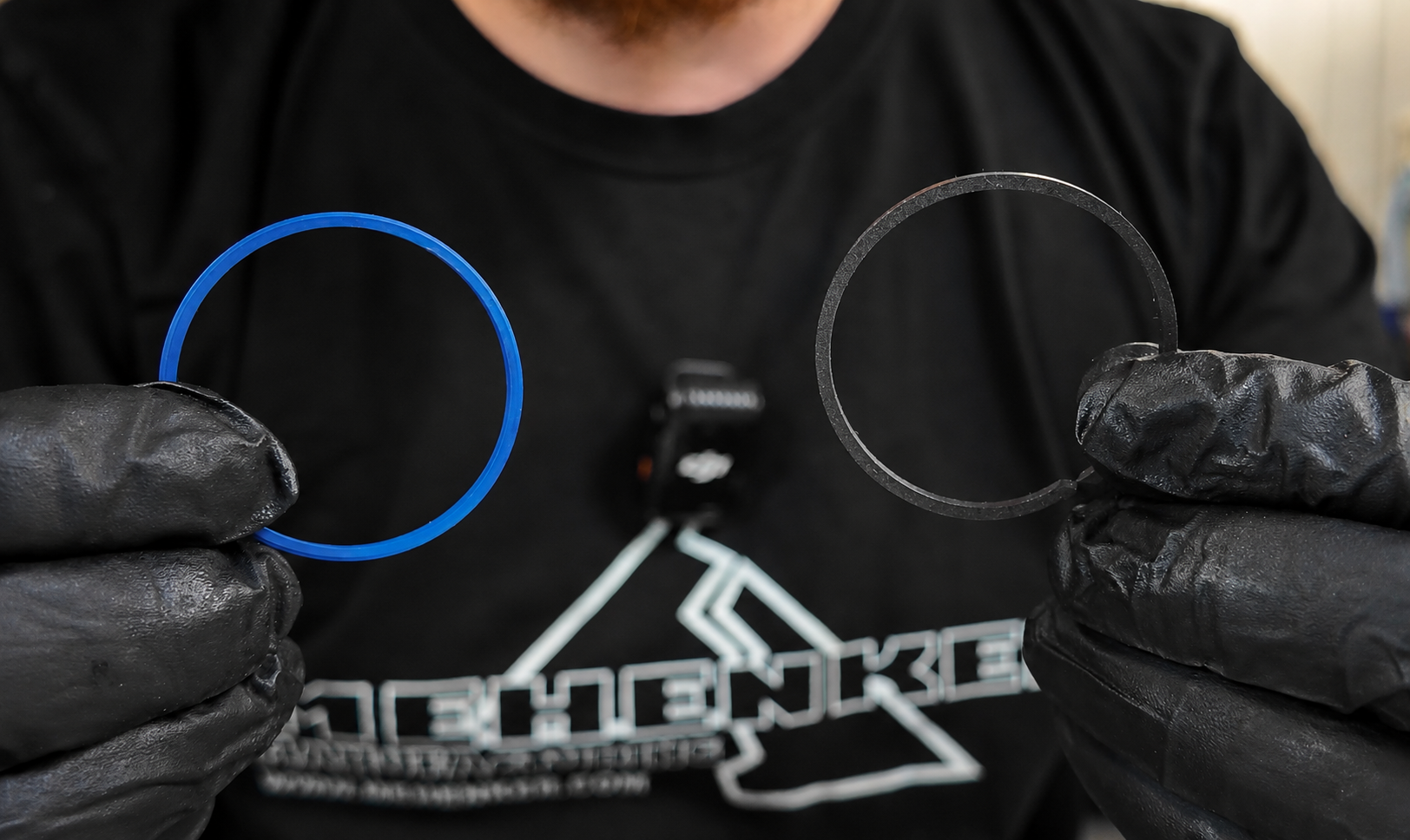
They are significantly more durable than the original PTFE rings.
When replacing the VANOS cam phasers, it therefore makes sense to repair the system properly and replace the sealing rings at the same time.
MEHENKER BMW camshaft sealing rings:
https://mehenker.com/en/bmw/44-camshaft-sealing-rings-bmw-n12-n42-n52-5903796606249.html
BMW S55 – do not forget the crank hub
If you are working on an S55 engine, there is another well-known timing-system weakness worth addressing: the crank hub.
If the factory crank hub slips, the engine can lose cam-to-crank timing.
MEHENKER developed its own crank hub design that mechanically secures the connection without drilling or otherwise modifying the crankshaft.
Our solution has also been tested in cars producing more than 1,000 HP.
If the timing system on an S55 is already apart, this is the ideal time to secure the crank hub as well.
MEHENKER BMW N55 / S55 crank hub:
https://mehenker.com/en/bmw/337-bmw-n55-s55-crankshaft-hub-5903796606645.html
Summary
The original VANOS cam phasers used in BMW N52, N55 and S55 engines have several specific weak points.
First – the aluminum timing sprocket.
We measured the tooth hardness at approximately 140 HB. With mileage, the tooth surfaces can wear and generate aluminum debris in the lubrication system.
Second – the quality of the cast components.
Especially on early units, we see heavy wear of the sealing surfaces and extremely porous rotors.
Third – the aluminum bolts.
The problem of these bolts loosening and breaking was officially confirmed by BMW and resulted in the 14V-176 recall campaign.
It is also important to understand that most conventional aftermarket replacements continue to follow the basic OEM design.
At MEHENKER, we took a different approach.
We did not want to manufacture another copy of the BMW cam phaser.
Instead, we use:
-
a hardened steel timing sprocket instead of aluminum,
-
high-strength tapered steel bolts instead of aluminum,
-
precision CNC-machined components,
-
hot-oil testing of every finished VANOS unit.
This is what separates MEHENKER from a conventional replacement part.
We do not copy the weak points of the original design. We eliminate them.
If you find metallic debris in the oil filter of an N52, N55 or S55, do not ignore it and do not automatically assume the bearings are the source.
Inspect the VANOS sprocket teeth as well.
And if the timing system is already apart, there is little sense in reinstalling a design based on an aluminum timing sprocket.
MEHENKER BMW N51 / N52 / N55 / S55 VANOS cam phasers:
https://mehenker.com/en/bmw/409-camshaft-adjusters-vanos-bmw-n51-n52-n55-s55-set-5903796606867.html